

Time Management: Finding the Right Balance
Effective time management is all about finding the right balance. Too much structure can feel restrictive, while too much flexibility can lead to distractions, uncertainty, and difficulty staying focused.
Modern productivity tools, especially visual solutions such as a Time Timer visual timer, can make a real difference. By making time visible, these tools help create clarity, encourage focus, and support better planning throughout the day.
For project managers, effective time management can help teams stay focused on key priorities and work towards important deadlines. Setting realistic timeframes and making the most of available time can contribute to smoother workflows and more successful outcomes.
In education, visual time management can provide valuable support for teachers and students. Setting clear timeframes for recurring classroom activities can create structure, reduce uncertainty, and help students develop better learning habits.
Time management is also valuable in everyday life. Whether you are working on a personal project, developing a new skill, or using the Pomodoro Technique to make better use of your free time, a visual timer can help you stay focused and achieve your goals.

Why Structure Matters for Productivity
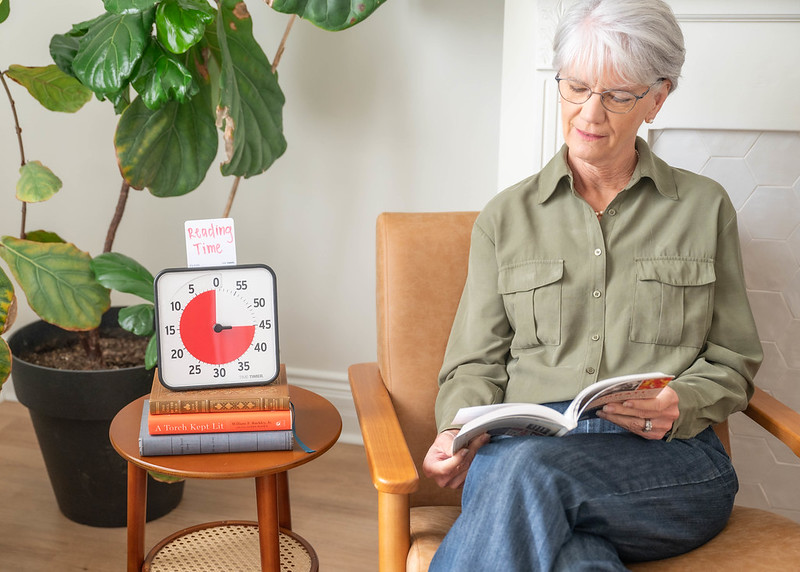
A clear structure can make a significant difference when it comes to productivity. Having a routine reduces the amount of mental energy spent deciding what to do next, allowing you to focus more fully on the task in front of you. A well-organised schedule can improve efficiency, consistency, and performance in the workplace, at school, and at home.
Without structure, time can quickly feel unclear. Tasks may take longer than expected, priorities can become difficult to manage, and staying focused becomes more challenging. Practical techniques such as time blocking — where specific periods of time are dedicated to particular tasks — can help create more control and improve your daily workflow.
A structured approach can also help limit small distractions that interrupt your focus. A quick check of your phone or a few minutes scrolling through notifications may seem harmless, but these moments can add up over time. Having a visual timer running provides a clear reminder of how much time remains, helping you stay committed to the task and make the most of each work session.


Why Flexibility Is Just as Important: Creating a Sustainable Schedule
Structure provides direction, but flexibility makes a schedule practical and sustainable. In everyday life, plans can change, meetings may take longer than expected, priorities can shift, and energy levels naturally vary. A schedule that is too rigid can create unnecessary pressure and make it harder to adapt when things do not go exactly as planned.
Finding the Right Balance Between Structure and Flexibility
Both extremes can create challenges.
Too much structure can lead to:
- Overly planned schedules with little room for change
- Added pressure when unexpected situations occur
- Increased stress when plans do not go according to schedule
Too much flexibility can result in:
- Less accountability
- More opportunities for procrastination
- Difficulty staying focused and completing tasks
A balanced approach helps you create a routine that supports productivity while still allowing room for change. It can:
- Set clear time boundaries without controlling every minute of the day
- Encourage regular breaks to maintain focus and energy
- Provide consistency while allowing the flexibility needed in real life

How Visual Timers Help Create the Right Balance
A visual timer offers a simple yet effective way to combine structure with flexibility.
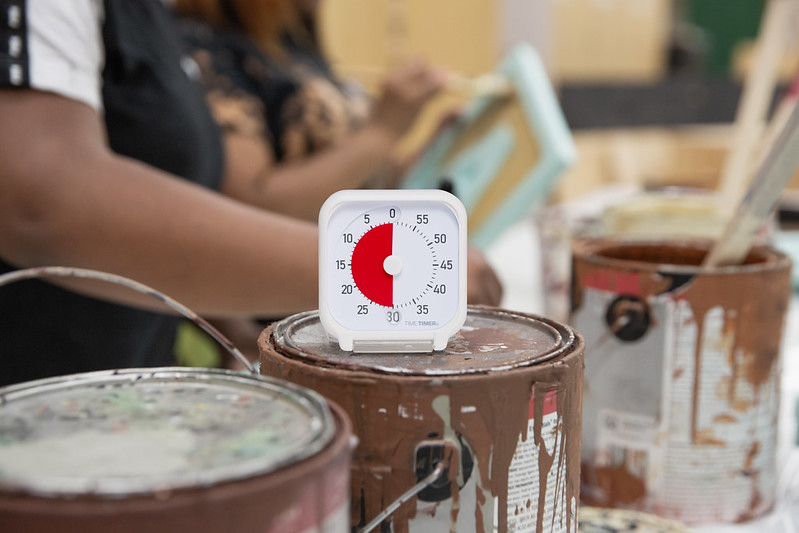
Unlike traditional timers, which rely on numbers and can require you to calculate how much time remains, visual timers provide an immediate and intuitive representation of time. With many products in the Time Timer range, this is shown through a coloured disk that gradually disappears as time passes, giving you a clear understanding of how much time is left.
This allows you to see time moving forward without repeatedly checking the clock. Instead of keeping track of time in your head, you can leave that task to the timer and keep your attention focused on the work itself.
How visual timers support balanced time management
Clear time boundaries through structure
A visual timer helps define clear periods of focus. Knowing exactly how long you have for a task can make it easier to stay on track, build better habits, and maintain concentration.
Greater awareness without pressure
Because time is represented visually, a visual timer supports your workflow without constantly interrupting it. There are no distracting alarms or repeated clock checks — just a clear, calm reminder of the time available.
Less stress and more confidence
Seeing time pass can provide reassurance and a greater sense of control. By making time visible, a visual timer can help reduce uncertainty and support a calmer, more focused approach to tasks.
Improved focus and productivity
When time becomes something you can see rather than something you have to monitor mentally, it becomes easier to stay engaged. A visual timer encourages focused work while helping prevent feelings of being rushed or overwhelmed.
A visual timer may be a simple addition to your time-management routine, but its impact can be significant. By moving time tracking from your mind to your workspace, you create a clearer awareness of priorities, deadlines, and the value of your time.


Practical Ways to Balance Flexibility and Structure
Finding the right balance between structure and flexibility can make your approach to time management more effective and sustainable. These practical strategies can help you create a routine that provides direction while still allowing room for change.
Use time blocks, but keep them flexible
Time blocking is a proven approach to organising your day. Setting a clear start and finish time for tasks can help you stay focused and make better use of your available time. However, the most effective schedules also include some flexibility. Adding buffer time between activities allows you to adapt when tasks take longer than expected or priorities change.
Set clear visual time limits
Using a countdown timer can help you stay focused while maintaining flexibility. If a task requires more time, a Time Timer visual timer allows you to easily adjust the duration without having to completely reorganise your schedule.
Focus on outcomes, not just schedules
A structured routine should support your goals rather than become a source of pressure. Instead of focusing only on following a timetable, prioritise completing the tasks that have the greatest impact.
Include time for recovery
Regular breaks are an important part of staying productive. Taking time to recharge helps maintain focus, supports wellbeing, and reduces the risk of mental fatigue.
Adapt your schedule to your energy levels
Your concentration and energy naturally change throughout the day. A flexible schedule allows you to plan demanding tasks during periods when you are most focused and productive.
Choose tools that support both structure and flexibility
The right productivity tools can help you create a balanced approach to time management. Time Timer visual timers provide clear structure while still allowing flexibility, helping you stay organised without feeling restricted.

Who Benefits Most From a Balanced Approach?
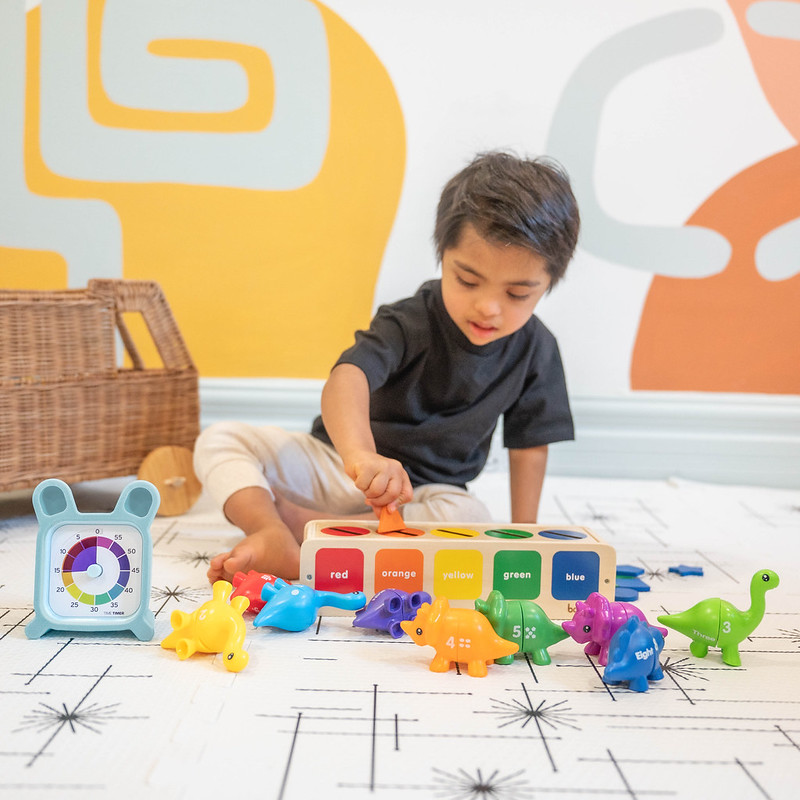
A balanced approach to time management can benefit people in many different situations. Whether you are managing professional responsibilities, studying, or organising everyday life, combining structure with flexibility can help create more focus and control.
Professionals
For professionals, balancing structure and flexibility can make it easier to manage workloads, meet deadlines, and stay productive while maintaining a healthy approach to work.
Students
Students can benefit from structured study periods combined with flexible breaks. This approach can support concentration, improve learning habits, and make study sessions more effective.
People with ADHD
For people using time-management strategies for ADHD, visual timers can provide valuable external structure. By making time visible, they can help with challenges such as time blindness while still allowing individuals to work at a pace that suits them.
Families and households
A balance between routine and flexibility can also support family life. Clear routines help keep daily activities organised, while flexibility makes it easier to adapt to changing plans and unexpected situations.

Why This Balance Matters More Than Ever
Let’s face it, we live in a world filled with distractions. Even for disciplined workers who do not waver from the demands of their job, the inflow of notifications about different tasks can be a distraction in itself.
So, finding the right balance between structure and flexibility is essential for success in the modern era. Too much of either creates friction but when combined effectively these create flow.
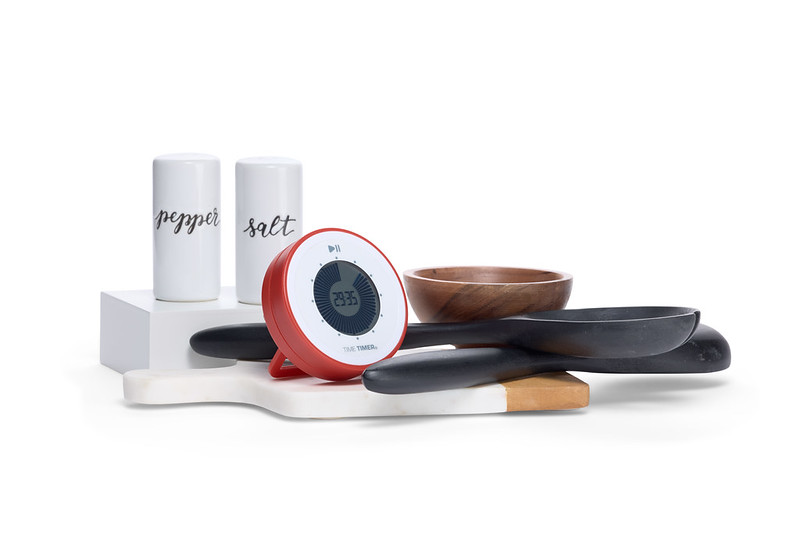
Whether you are looking to lock in for a task or are about to set the timer for a 5-minute break to browse social media, a visual timer can help. For those looking to optimize time management, a Time Timer visual timer can help you track progress in real time.
Visual tools like Time Timer visual timers help achieve a better balance by turning time into something visible, manageable, and adaptable.
If you’re ready to experience a better way to manage your time, explore Time Timer’s full range of visual solutions