

How Visual Timers Can Transform Screen-Time Management for Children
Managing screen time is a common challenge for parents and educators across Europe. Whether it’s limiting tablet use at home or helping students put their phones away at school, the struggle to balance digital time can be exhausting.
The good news? A simple visual tool like a Time Timer visual timer can turn these daily battles into smooth, predictable routines. Time Timer offers solutions for both teachers—including those supporting children with additional needs—and parents at home, so you can find the timer that suits your family or classroom best.
The Hidden Challenge of Screen-Time Transitions
Screen-time management isn’t just about limiting device usage. It’s about teaching children to understand time, follow routines, and develop self-regulation skills.
Traditional approaches like verbal warnings (“Five more minutes!”) or digital device timers often fall short. They lack the visual clarity that helps young children grasp the passage of time.
Children, particularly those with ADHD, autism, or learning difficulties related to time perception (sometimes called “time blindness”), benefit greatly from visual cues. A visual representation makes the abstract concept of time concrete, reducing confusion and frustration.
Why Visual Timers Work
1. Concrete Visualisation of Time
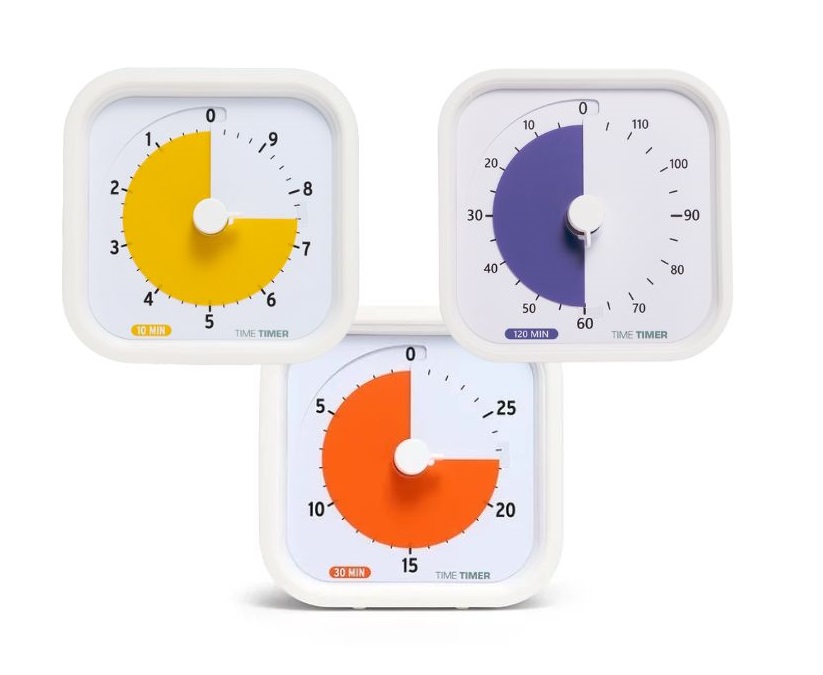
Visual timers display the passage of time in a way children can immediately understand. With a Time Timer, screen time is shown as a coloured disc gradually disappearing—making the end of an activity clear and predictable.
2. Reduced Anxiety and Meltdowns
Seeing the remaining time allows children to prepare for transitions calmly. Visual timers act as a gentle, non-intrusive reminder, helping children manage expectations and emotions.
3. Builds Time Awareness
Regular use of visual timers helps children develop an internal sense of time, enhancing self-regulation skills that can extend to other areas of life, including managing their own screen time.
4. Minimises Power Struggles
A visual timer shifts authority from parent or teacher to the timer itself. It acts as a neutral, objective cue for ending an activity, reducing conflict and stress.
Practical Screen-Time Strategies for Parents
Set Up Before Screen Time
Place the visual timer before giving a device to your child. Explain that when the coloured disc disappears, screen time is over.
Combine With a Visual Schedule
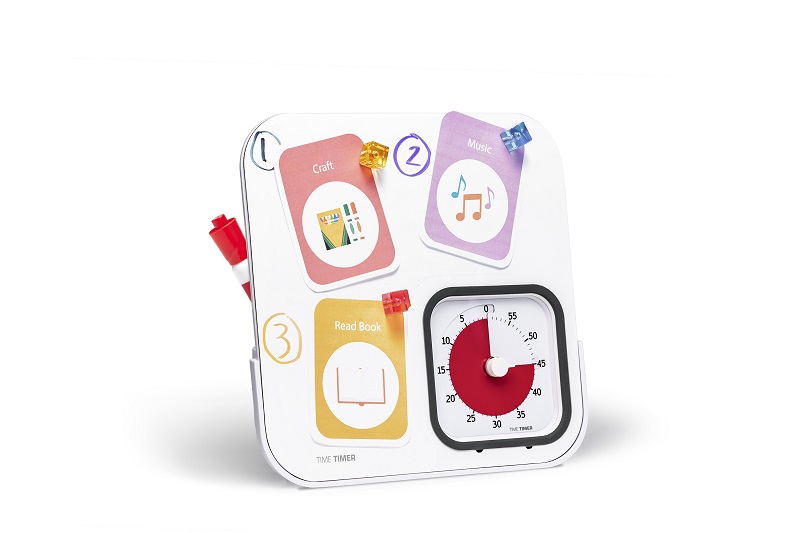
Use a visual schedule to show where screen time fits within the day, such as after homework or chores. Tools like the Time Timer® Dry Erase Board can accommodate a Time Timer® MOD visual timer, helping children understand screen time is part of a balanced routine.
Manage Longer Breaks
During weekends or school holidays, visual timers can structure extended screen sessions. Showing both screen and break time encourages children to balance digital and offline activities.

Classroom Applications for Teachers
Smooth Transitions for Technology Use
Students often switch between devices and traditional learning materials. Visual timers can be used for computer lab sessions, educational apps, or research periods. Students can monitor their own progress visually, helping transitions run smoothly without constant teacher reminders.
Supporting Neurodivergent Students
For children with autism, ADHD, or other learning differences, visual timers provide a tangible representation of remaining time. This helps manage “time blindness” and supports self-regulation during screen-based activities.
Remote and Hybrid Learning
Visual timers are invaluable in online learning settings. They can help structure lessons, breaks, and activities, making schedules clear for students joining from home.


Advanced Strategies for Screen-Time Management
Gradual Reduction
Reduce screen time incrementally, for example by five to ten minutes per week, until the desired limit is reached.
Reward System
Link screen time to completed tasks. Using visual timers for both task time and earned screen time encourages children to see digital time as a reward rather than a default activity.
Family-Wide Rules
Use visual timers to enforce family rules around screen use, such as device-free meal times or bedtime routines. Consistent visual cues make it easier for children to follow agreed limits.
Take Control of Screen-Time Battles
Visual timers provide a clear, calm, and effective way to manage screen time at home or in the classroom. Explore the Time Timer product range to find the ideal solution for your family or students, and turn screen-time struggles into predictable, peaceful routines.


