

Routines can be a challenge for anyone, but for ADHD brains, they often feel especially hard to start, follow, or sustain. While structure can be grounding, traditional routines often feel rigid, overwhelming, or simply unrealistic.
The key isn’t more discipline. It’s a different kind of structure: one that supports your nervous system, honors your energy, and offers flexibility instead of pressure.


Use Routines as Support
Focus on creating routines that work for your needs rather than a feeling like you must stick to a strict schedule. Remember: you’re creating space and support, not restriction.
Start by noticing what already feels helpful. It could be taking your multivitamin with your coffee, or reading before bed with lights out at the same time each night. Use those existing anchors to build routines that feel natural, not forced.
The goal isn’t to create a rigid routine to trudge through. It’s to make the rhythm of your day feel easier and more enjoyable.

Create a Flexible Structure
One of the most helpful ways to support an ADHD brain is to create flexible routines. These are different versions of the same routine, designed for varying energy levels.
Try creating three versions of your morning or evening routine:
For example, on an “ideal” day, you might work out, stretch, meditate, make a hot breakfast, and review your plan for the day. On a “good” day, you may stretch and have instant oatmeal for breakfast. On a “minimum” day, you may take a few deep breaths before you get out of bed, eat a piece of fruit, and head out the door.
There are a few different names for this flexible routine system—you might think of it like a traffic light with green, yellow, and red days, or as essential versus extra credit days. Just use what works for you. If want to learn more, YouTube creator Hayley Honeyman, who is autistic and has ADHD, shared a great explainer video on how she created flexible daily routines.
Taking a flexible approach has made such a difference in how I feel about myself, and how likely I am to stick with my routine, especially when trying something new. Each version of the routine can support you by honoring what’s possible each day and staying connected to your needs, without abandoning structure entirely.


Practical Tips for ADHD-Friendly Routines
Effective routines are simple, visual, and adaptable. Here are five strategies that can help make your routines more supportive and sustainable.
- Build backward. Start from when you need to leave in the morning or go to bed at night, then work backward to figure out how much time you need. Don’t forget to include transitions and time to pause.
- Add buffer time. ADHD brains often underestimate how long things take. Extra space reduces stress when things don’t go as planned.
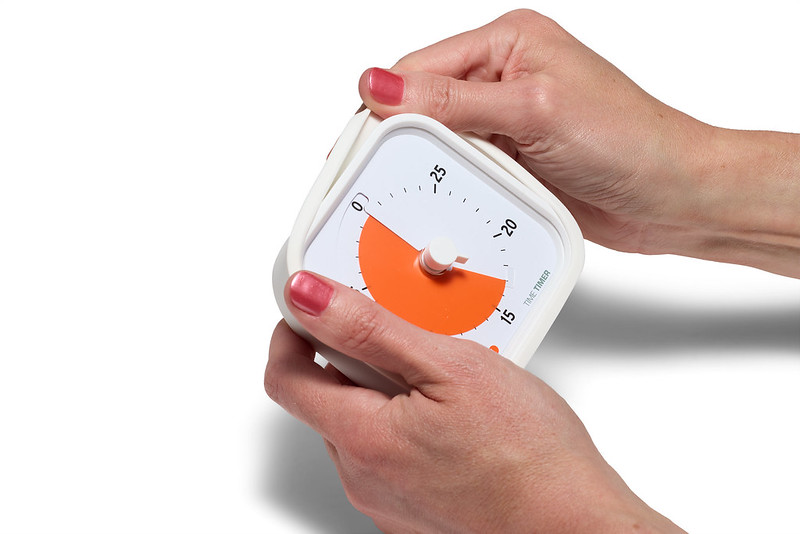
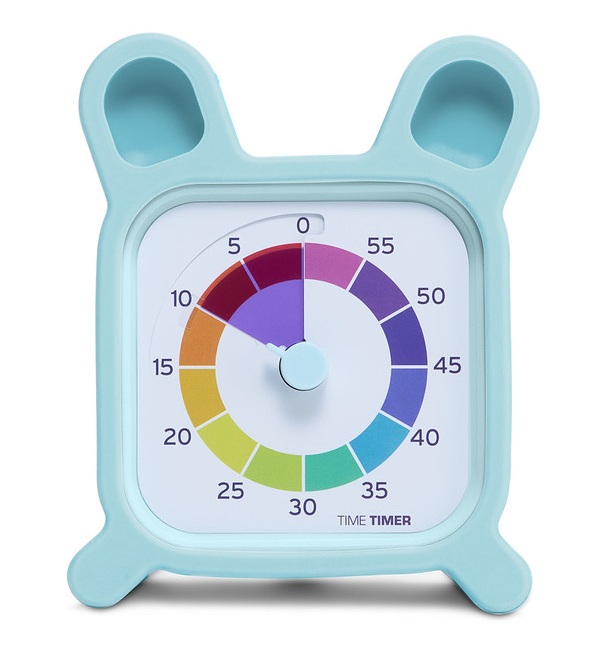
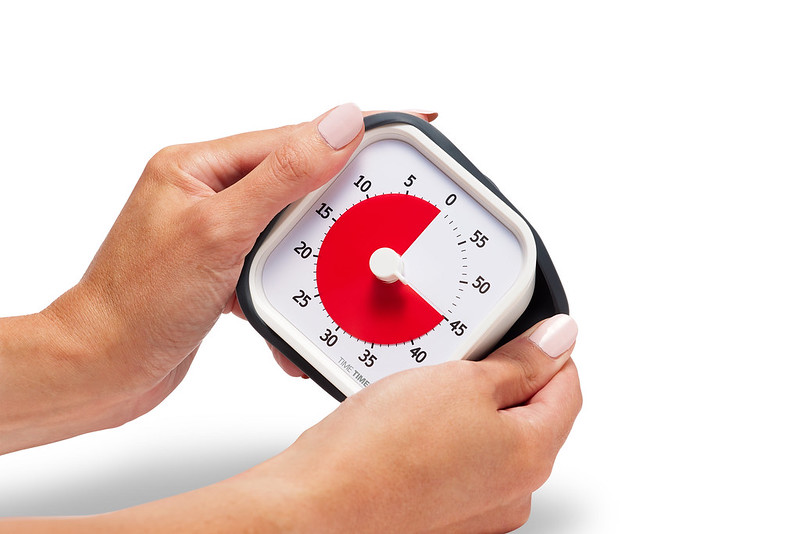
- Use visual tools and timers. Time Timer visual timers and visual schedulers make managing time and tasks easier without relying on memory or internal motivation.
- Stack habits with built-in rewards. Pair something necessary with something enjoyable. For example, take your vitamins while your coffee brews, or tidy up while listening to a favorite podcast.
- Refresh your routine. ADHD thrives on novelty. Small changes—like switching up your environment or creating a new playlist—can keep routines engaging.
Let Your Routines Grow with You
There’s no one routine that works for everyone, or even one routine that will always work for you! What works one week or month might not work the next. Take this as an invitation to stay curious and responsive to your real needs. Start small and adjust often.
Every so often, I take some time to reflect on my routines and what supports me, what drains me, and what helps me flow through the day with more presence, joy, and ease. I encourage you to do the same. In this way, you can build self-trust and create flexible routines that truly nourish you.


