
Research in Education
Supporting Self-Regulation in Young Children
Research suggests that visual timers can help young children develop self-regulation skills. In a study involving children aged 2–4, using a Time Timer during everyday activities was associated with improvements in their ability to regulate themselves, stay engaged and complete activities more independently.
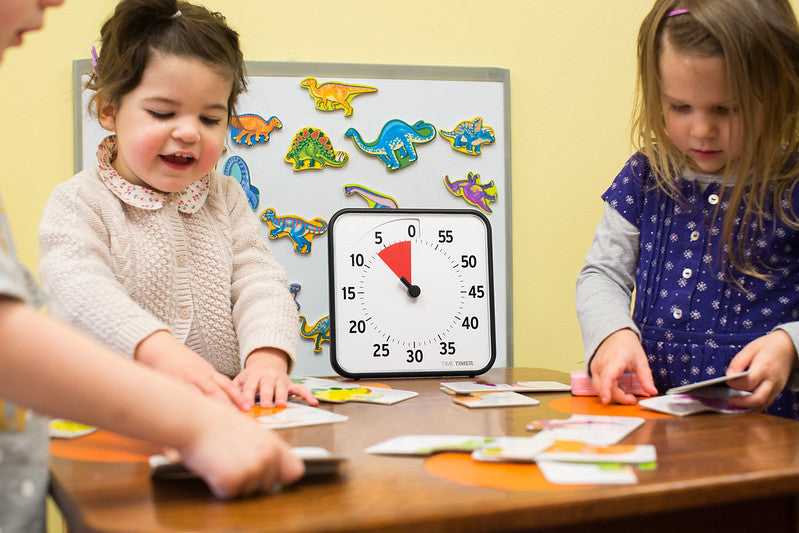
Clinically Proven
A study by the Department of Exceptional Student Education at Florida Atlantic University found that children aged 2–4 showed a significant improvement in self-regulation when the Time Timer® was used to support their activities.
The children, who were at risk of developmental delays, were observed performing typical individual or group activities such as reading picture books or playing with blocks. When a Time Timer®was utilized during their activity, each child’s accuracy and engagement in the activity increased dramatically.
Read the Details
Full Study
Using Literacy-Based Behavioral Strategies to Support Self-Regulation in Young Children
Non-Technical Summary
Explore the key findings from the research study in this downloadable PDF.
Time Timer had a positive impact on all children.
“Learning to use the timer to self-regulate had a positive impact on all of the children’s engagement in the play and activity centers.”
The children showed increased independence.
“All students increased their accuracy and independence in performing the new self-regulation skill, and increased their play and early literacy engagement in classroom and public settings.“
The children were more engaged.
“All children showed a dramatic increase in activity engagement while using the Time Timer.“
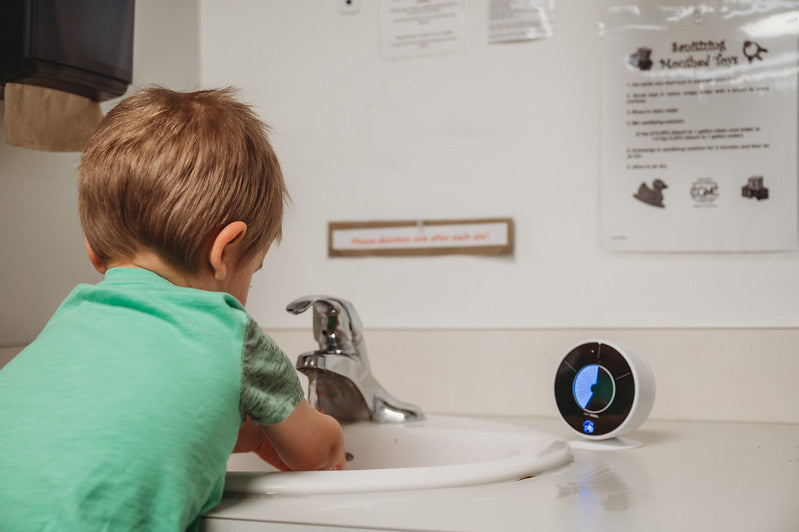
CASE STUDY: Using the Time Timer WASH in a Preschool Setting
This case study illustrates how one preschool used theTime Timer ®WASH,a visual timer for handwashing, to give their students the confidence and independence needed to properly wash their hands, so the teachers could continue doing what they do best – teaching.“[The Time Timer WASH] really helps the children to understand the length of time they should be washing their hands.”